
Chicago Saturday, May 3, 2025
US Urges Restraint Amid India-Pakistan Tensions
US Vice President JD Vance has called on India and Pakistan to exercise restraint and avoid escalating tensions into a broader regional conflict following a deadly terrorist attack in Kashmir’s Pahalgam. The attack, which killed 26 people, was claimed by The Resistance Front (TRF), a proxy group of Lashkar-e-Taiba (LeT), a UN-designated terrorist organization based in Pakistan.
Measured Response Urged
Vance emphasized the importance of a measured response from India, warning that any retaliatory action could destabilize the region. He also urged Pakistan to cooperate with India in tracking down the perpetrators and ensuring justice. The US is concerned about the potential for nuclear tensions between the two countries to escalate.
Diplomatic Efforts Continue
The US has been engaging with both India and Pakistan to prevent further escalation. US Defence Secretary Pete Hegseth and Secretary of State Marco Rubio have spoken with Indian and Pakistani leaders, calling for de-escalation while reaffirming India’s right to defend itself. Rubio has also urged both countries to work towards a responsible solution that maintains long-term peace and regional stability in South Asia.
Rising Tensions
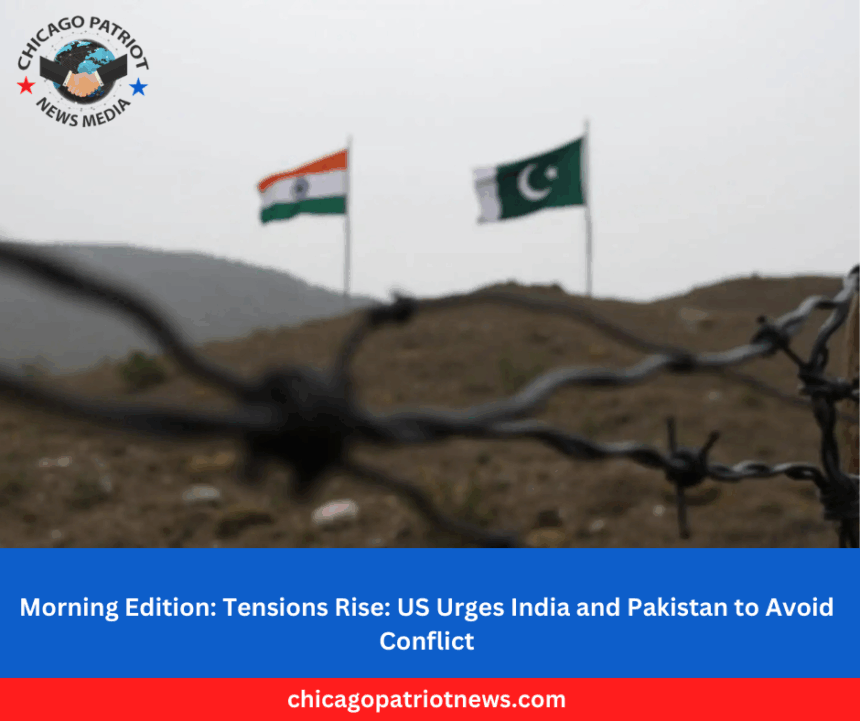
In response to the attack, India has downgraded diplomatic ties with Pakistan and suspended key agreements, including the Indus Waters Treaty and the Simla Agreement. Pakistan has denied involvement in the attack and called for an impartial investigation. The situation remains volatile, with both countries closing their airspace to each other’s airlines and exchanging fire along the Line of Control.
International Community Watches Closely
The international community is closely monitoring the situation, hoping to prevent further escalation in one of the world’s most volatile regions. The US is working to foster counterterrorism cooperation between India and Pakistan while keeping the door open for dialogue and stability in South Asia.