
Chicago Monday, May 26, 2025
US Withdrawal from Iran Nuclear Deal Sparks Economic Crisis
When President Trump withdrew the US from the Iran nuclear deal in 2018, it had severe consequences for Iran’s economy. The reimposition of harsh US sanctions crippled Iran’s economy, causing its oil exports to plummet and its currency to suffer severe devaluation. This led to domestic unrest and economic instability, making it difficult for Iran to fund its regional proxies. The economic struggles have been further exacerbated by the COVID-19 pandemic, which has deteriorated Iran’s already ailing economy.
Saudi Arabia Gains Regional Influence
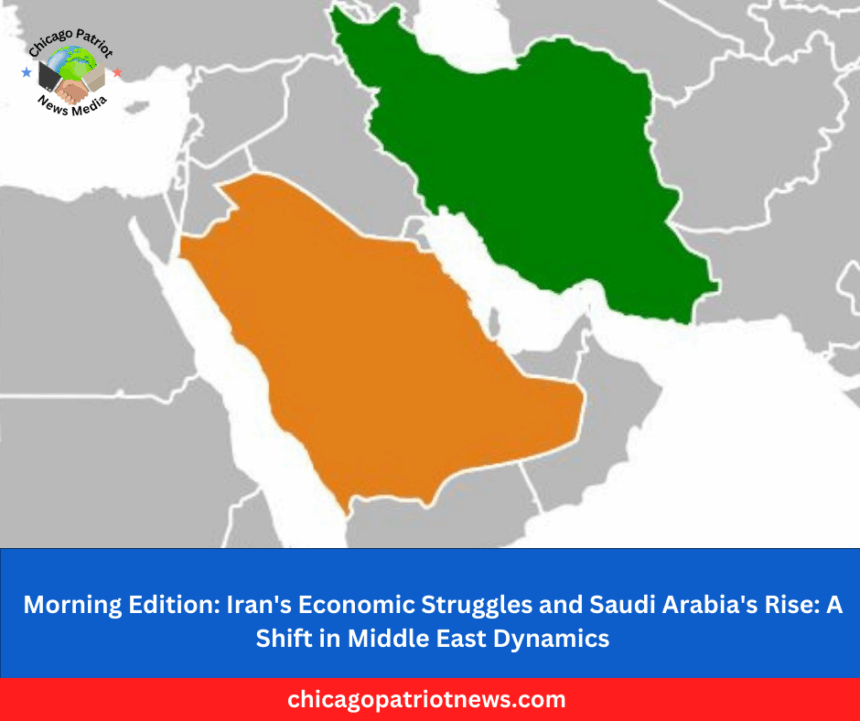
Meanwhile, Saudi Arabia has taken advantage of Iran’s weakened position to expand its diplomatic and economic reach. The kingdom has strengthened its ties with the US and other Western allies, securing lucrative defense agreements and investment deals. Saudi Arabia has also played a key role in mediating regional conflicts, positioning itself as a stabilizing force in the Middle East. The normalization of relations between Saudi Arabia and Iran in 2023, brokered by China, marked a shift in regional dynamics. However, Saudi Arabia continues to maintain a strategic advantage, leaving Iran facing increasing pressure to adapt to shifting geopolitical realities.
Iran’s Path Forward Uncertain
Despite ongoing tensions, Iran has attempted to negotiate a new nuclear deal with the US. However, conflicting positions between Tehran and Washington have stalled progress. Iran’s economy remains heavily connected to its enmity with the US, and ending the four-decade animosity between the two nations could be key to Iran’s economic diversification and sustainable development. For now, the future of Iran’s economy and its regional influence remains uncertain, as it navigates the complex web of geopolitical relationships in the Middle East.