
Chicago – April 30, 2025
President Trump signed two executive orders aimed at strengthening local law enforcement and increasing pressure on undocumented immigrants. Although the orders addressed different issues, both reflected the administration’s broader goal of empowering local police to work more closely with federal authorities.
The policing order directed federal agencies to develop new best practices for local law enforcement, enhance police training and compensation, and improve the collection and reporting of crime data initiatives generally well-received by law enforcement. While the order did not detail how these goals would be implemented, Peter Moskos, a former police officer and current professor at John Jay College of Criminal Justice, viewed the initial parts of the order positively. He noted that these federal actions could help make communities safer.
However, Moskos expressed concern over other aspects of the order. A section titled “Holding State and Local Officials Accountable” instructed the attorney general to seek legal actions against officials for alleged civil rights violations related to diversity, equity, and inclusion (DEI) initiatives, as well as for obstructing law enforcement operations. Moskos criticized this as federal overreach into local policing.
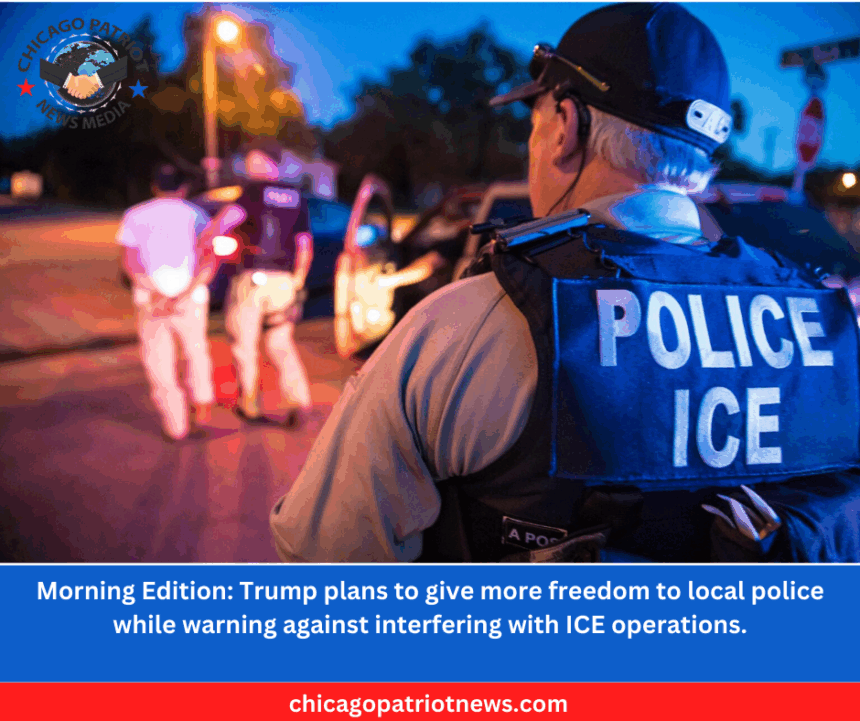
The concern over “obstruction” coincided with Trump’s signing of a second executive order, which directed the attorney general and the secretary of homeland security to compile a list of states and cities accused of hindering federal immigration enforcement.
This marked a continuation of the administration’s crackdown on so-called “sanctuary” jurisdictions. Previously, cities and states that did not cooperate with Immigration and Customs Enforcement faced the threat of losing federal funding. The new order signaled that the administration might now also seek legal action against them for allegedly violating federal laws.