

Chicago – October 15, 2025
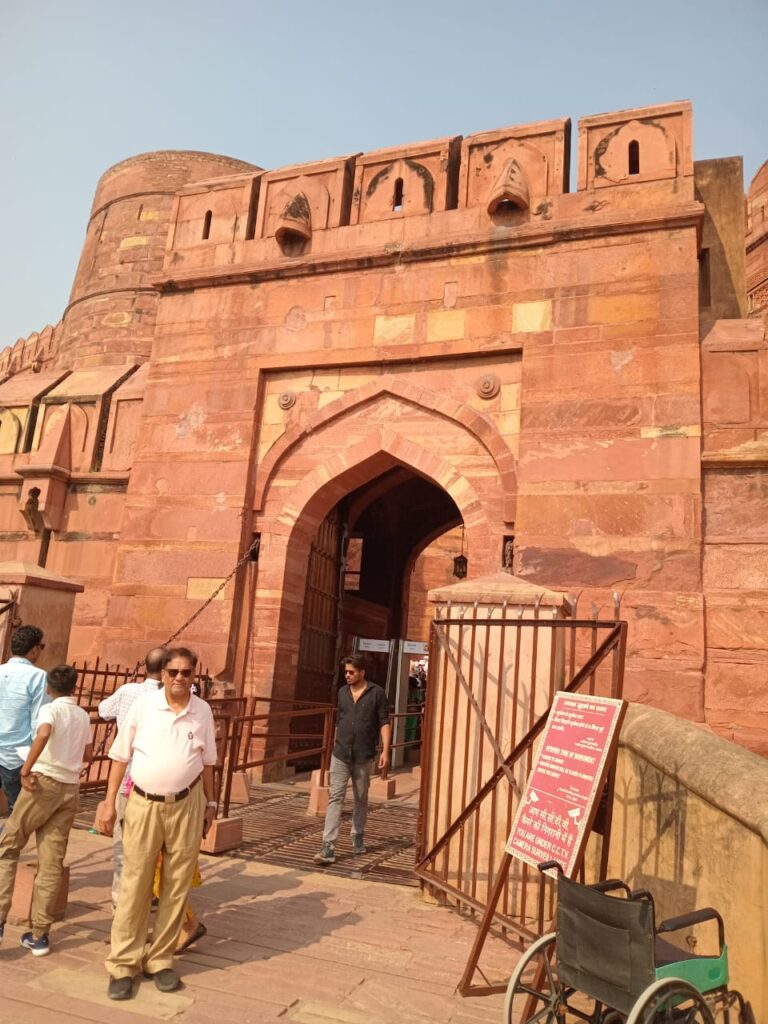
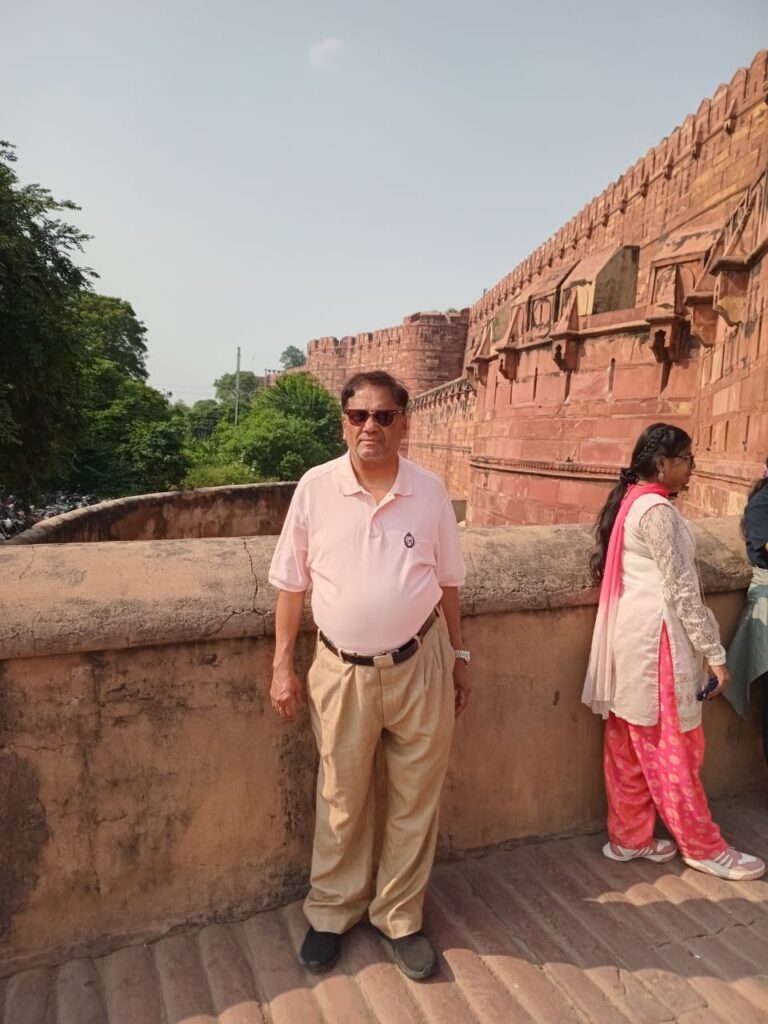
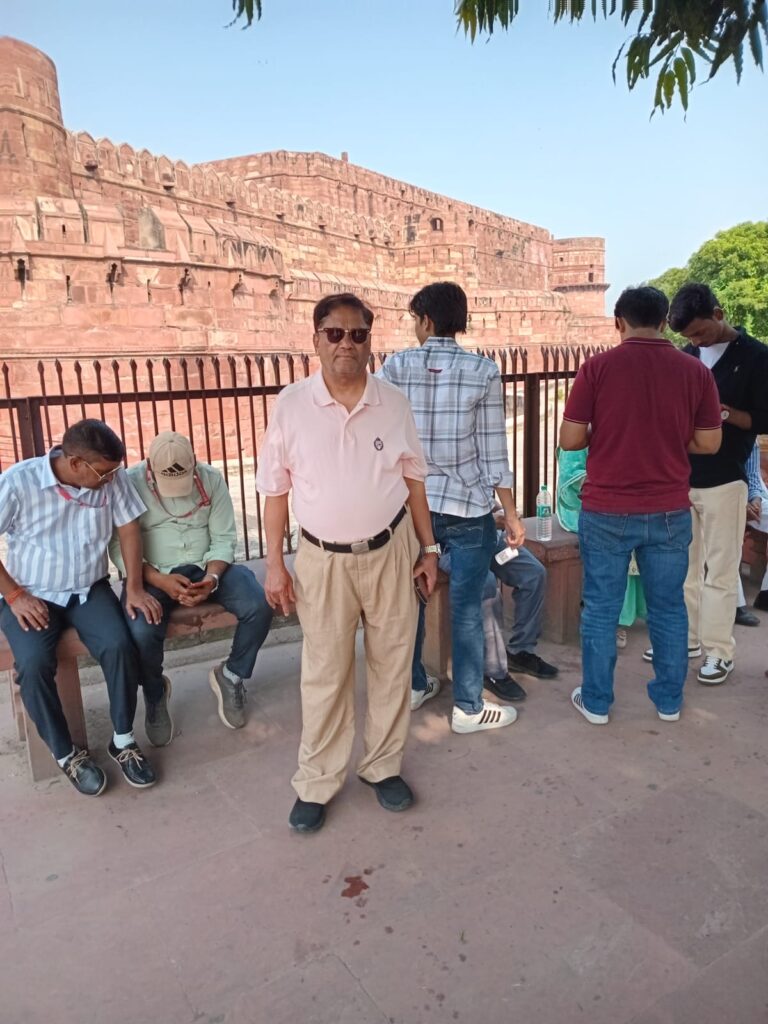
CEO Engr. Mujeeb Osman and and Engr Mohammed Abdul Majid recently went to explore the rich history and cultural heritage of India. Their visit to the historic Agra Fort was a remarkable experience, underscoring the significance of this iconic landmark.
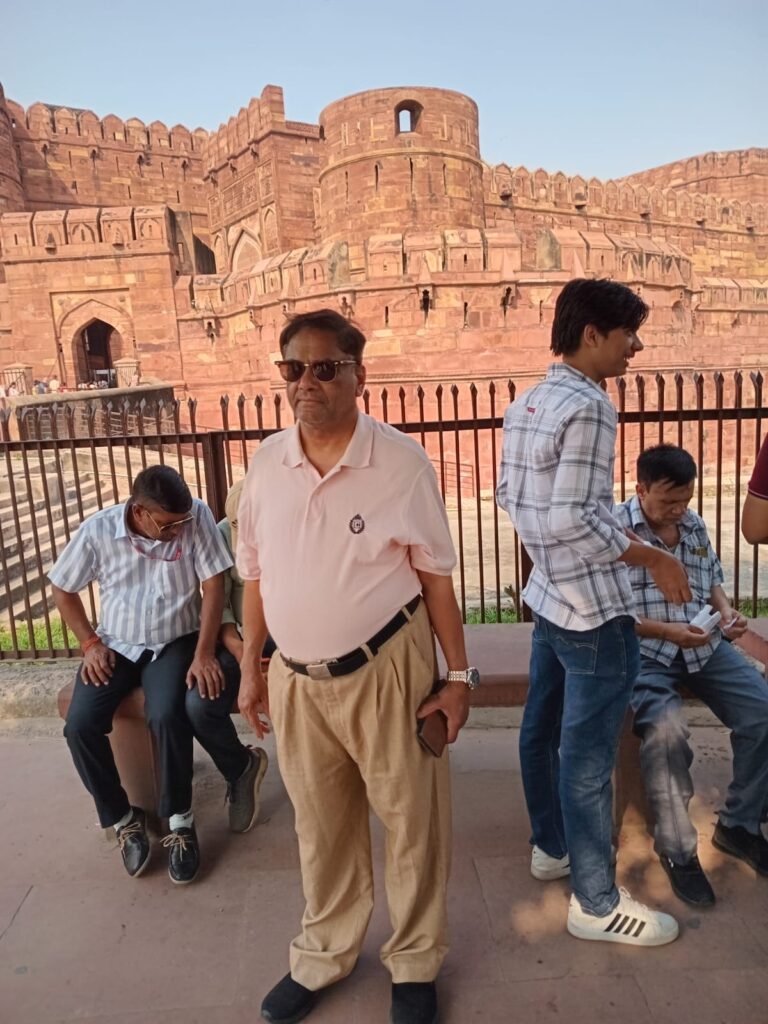
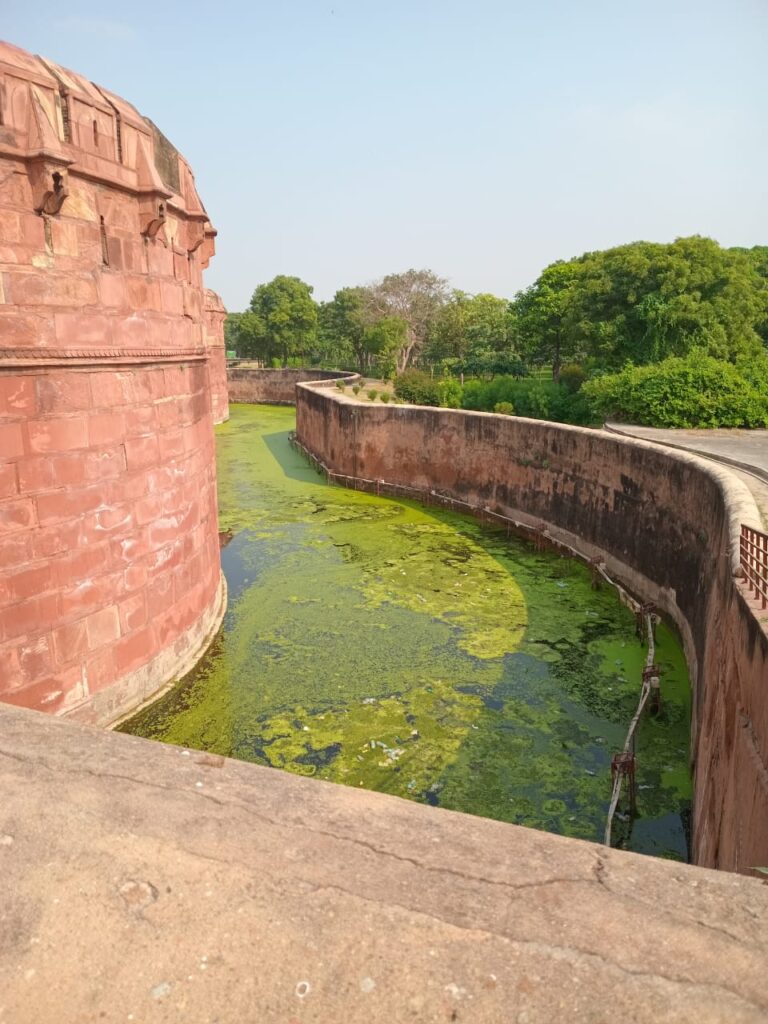
Agra Fort
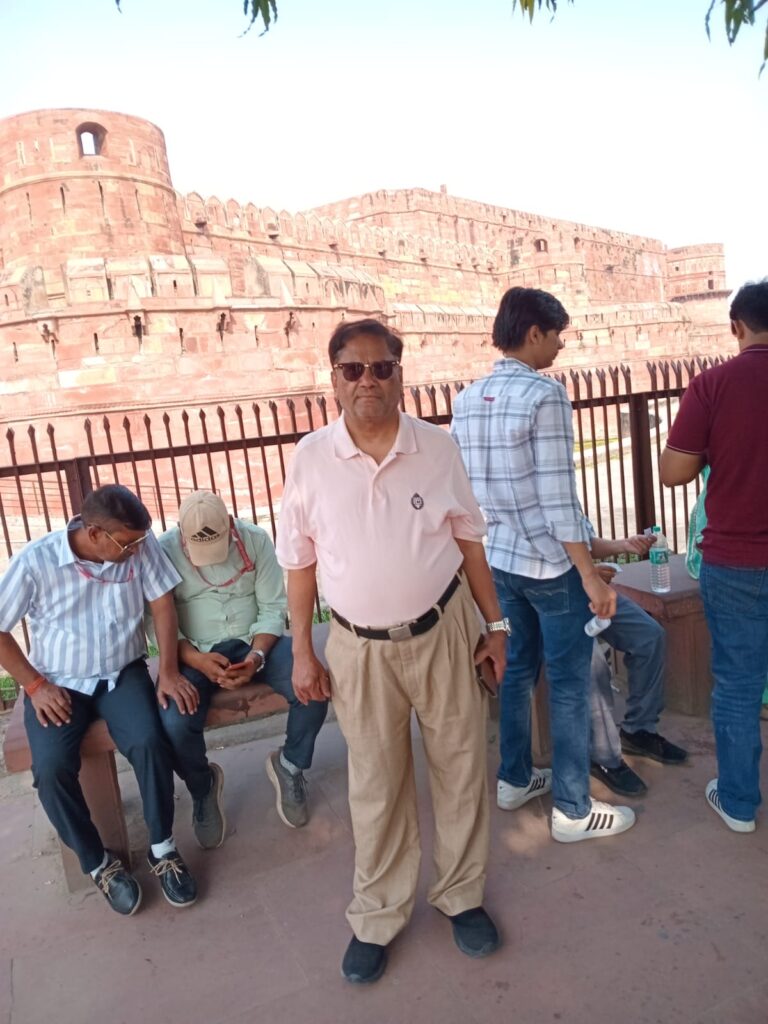
Agra Fort, located in Agra, India, holds immense cultural, architectural, and historical significance as a symbol of Mughal power and artistic synthesis. Commissioned by Emperor Akbar in 1565 and completed in 1573, it served as the primary residence and administrative center for Mughal emperors, including Jahangir and Shah Jahan.
Its strategic location on the banks of the Yamuna River made it a crucial military and administrative center. The fort houses several palaces, mosques, and audience halls, each contributing to its historical significance.
The fort exemplifies Mughal architecture, blending Persian, Islamic, and Indian styles, with extensive use of red sandstone and later white marble additions. Structures like the Diwan-i-Aam, Diwan-i-Khas, and Musamman Burj reflect both political authority and aesthetic refinement.
Shah Jahan was imprisoned here by his son Aurangzeb, with a view of the Taj Mahal, adding emotional depth to its history. Recognized as a UNESCO World Heritage Site in 1983, Agra Fort stands as a testament to India’s imperial legacy and architectural grandeur.