

Chicago – April 07, 2026
He said Iran entered the war militarily weakened, but Trump’s threat to bomb infrastructure and force open the Strait of Hormuz may be backfiring.
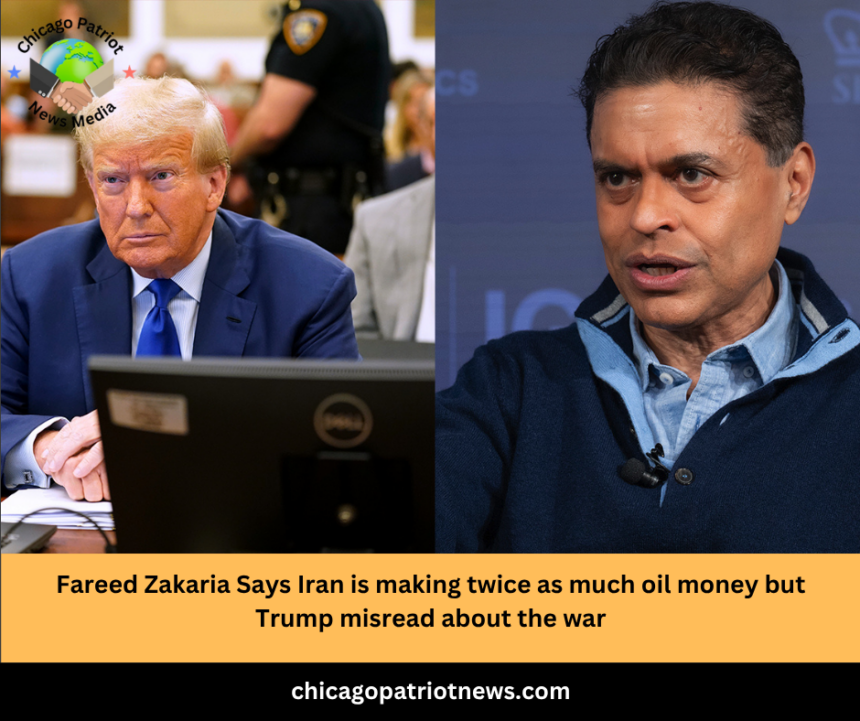
CNN’s Fareed Zakaria said Iran’s military was already in poor shape at the start of the current war, weakened by earlier Israeli strikes on commanders, air defenses and missile sites. He argues that Trump is misreading the Strait of Hormuz by assuming more pressure will make Tehran back down, when it may instead harden Iran’s response and keep the chokepoint volatile.
The conflict is also producing clear winners and losers. The Strait of Hormuz turmoil is dividing the fortunes of Middle Eastern oil states, while analysis cited by Fareed points to Russia, Saudi Arabia, China and India as among the actors benefiting in different ways from higher prices, rerouted supplies or discounted alternatives. Specifically Iran is now earning roughly twice as much from daily oil sales, even as its broader war position remains weak.
On the question of striking Iranian infrastructure, Fareed and his guests, Former State Department official Richard Haass and journalist Zanny Minton Beddoes, warn that bombing power plants and bridges would raise major legal and strategic concerns and likely invite retaliation. Trump’s latest threats have been widely described as “unhinged,” with critics warning that targeting civilian infrastructure could escalate the conflict sharply.

