
Chicago – April 10, 2026
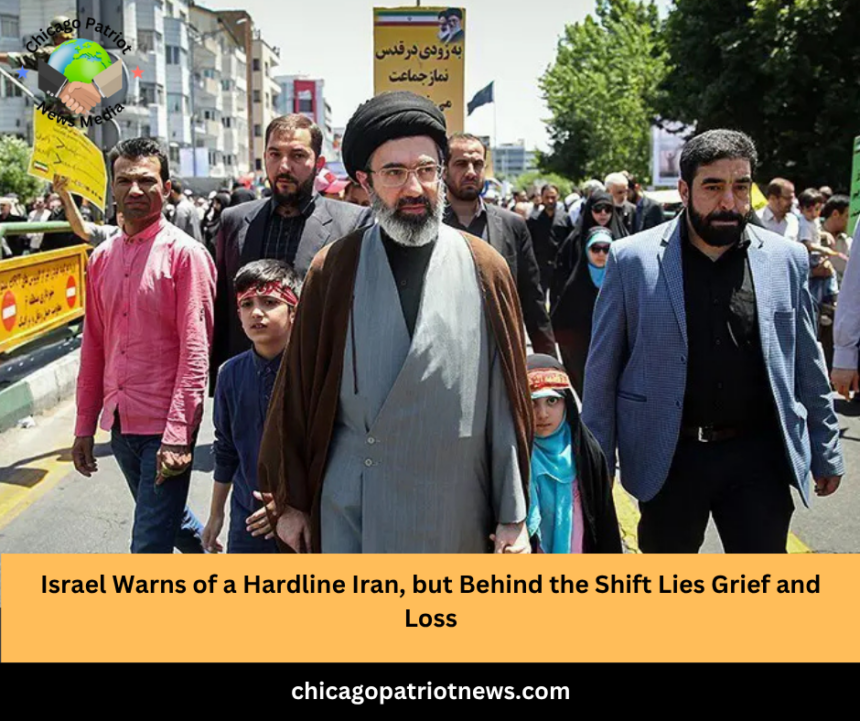
As Israel describes Iran’s new leadership as “even more hardline,” a deeper look reveals a complex picture shaped not only by ideology but by personal tragedy. Reports indicate that six members of Iran’s new leader’s family were killed in recent strikes—a loss that recasts today’s escalating rhetoric through a deeply human lens.
History repeatedly shows that profound grief can transform political behavior. When loss becomes personal, moderation often fades, replaced by resolve and defiance. In this case, expecting restraint amid mourning may seem detached from the emotional reality confronting Iran’s new leadership.
Israel’s warnings of heightened extremism reflect longstanding regional anxieties, but they also underscore a recurring cycle: violence breeding more rigidity rather than reconciliation. As tensions mount, the divide between adversaries grows sharper, and diplomatic space narrows.
What unfolds next may be driven less by political labels and more by emotional consequence. Behind diplomatic statements and military maneuvers lie stories of families, grief, and survival—human experiences that rarely fit neatly into policy assessments.
This isn’t just another geopolitical shift; it’s a reminder that the cost of conflict reaches far beyond state capitals, shaping decisions rooted as much in pain as in politics.