

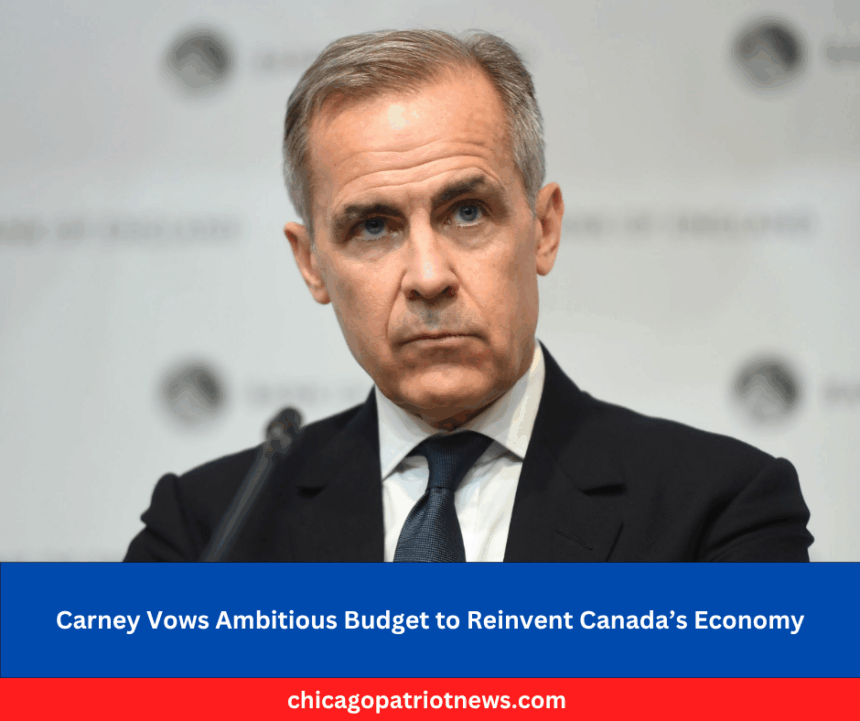
Prime Minister Mark Carney will present his first federal budget on Tuesday, describing it as a turning point for a Canadian economy weakened by U.S. tariffs. He said the plan would require “difficult choices” but also deliver “transformational investments” aimed at reshaping the country’s economic direction.
The budget will focus on reducing Canada’s dependence on American trade while meeting new NATO defence targets that commit the country to spending 5% of its GDP on defence by 2035. Carney has framed the initiative as part of a broader national renewal.
A former central bank governor for both Canada and the UK, Carney has pledged to double non-U.S. exports within the next decade. He has positioned trade diversification as key to protecting the economy from external shocks and rebuilding long-term stability.
Finance Minister Francois-Philippe Champagne echoed this message, saying the government is focused on moving the country “from reliance to resilience.” He highlighted new spending in infrastructure, housing, and sectors affected by tariffs as central pillars of the fiscal plan.
Analysts predict a federal deficit exceeding C$70 billion, with departments already directed to cut up to 15% of programme spending. These reductions are expected to free funds for strategic investments in growth and competitiveness.
Since the Liberal Party is three seats short of a majority, Carney will need support from at least one opposition party, most likely the NDP, to pass the budget and avoid an early election. Political observers suggest the NDP may allow the plan to move forward by abstaining from the vote.
Framing the budget as a test of national resolve, Carney said it is time for Canada “to take bold swings again” and reclaim its place as one of the world’s most dynamic economies.