

Chicago – November 17, 2025
When he first came to the United States after escaping civil war in Sierra Leone and spending almost a decade in a refugee camp, Dauda Sesay had no idea he could become a citizen. But he was told that if he followed the rules and stayed out of trouble, after some years he could apply. As a U.S. citizen, he would have protection.
It’s what made him decide to apply: the premise — and the promise — that when he became a naturalized American citizen, it would create a bond between him and his new home. He would have rights as well as responsibilities, like voting, that, as he was making a commitment to the country, the country was making one to him.
“When I raised my hand and took the oath of allegiance, I did believe that moment the promise that I belonged,” said Sesay, 48, who first arrived in Louisiana more than 15 years ago and now works as an advocate for refugees and their integration into American society.
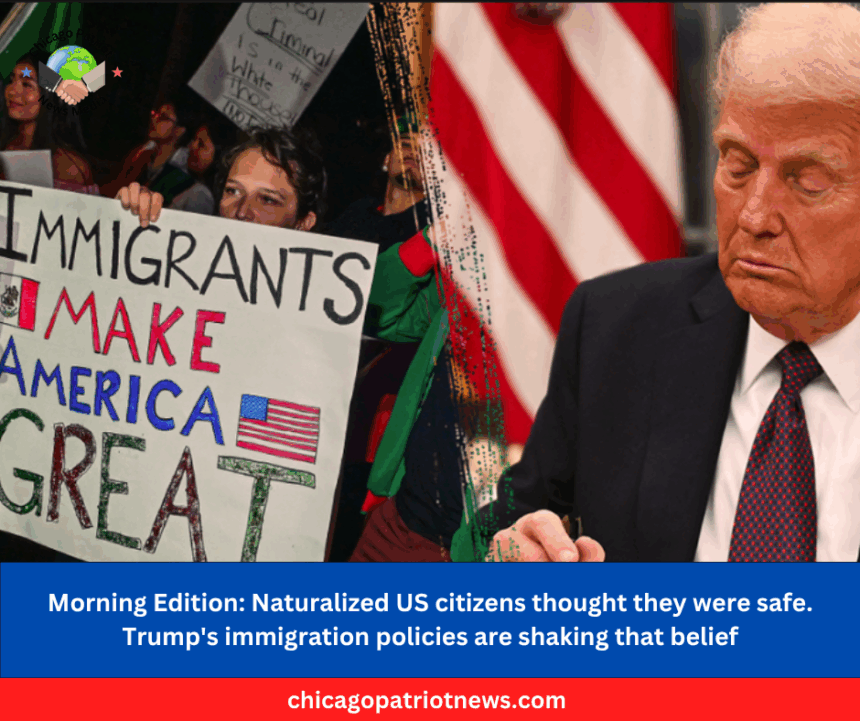
But in recent months, as President Donald Trump reshapes immigration and the country’s relationship with immigrants, that belief has been shaken for Sesay and other naturalized citizens. There’s now fear that the push to drastically increase deportations and shift who can claim America as home, through things like trying to end birthright citizenship, is having a ripple effect.
Some are worried that if they leave the country, they will have difficulties when trying to return, fearful because of accounts of naturalized citizens being questioned or detained by U.S. border agents. They wonder: Do they need to lock down their phones to protect their privacy? Others are hesitant about moving around within the country, after stories like that of a U.S. citizen accused of being here illegally and detained even after his mother produced his birth certificate.
There has been no evidence of an uptick in denaturalizations so far in this Trump administration. Yet that hasn’t assuaged some. Sesay said he doesn’t travel domestically anymore without his passport, despite having a REAL ID with its federally mandated, stringent identity requirements.
Immigration enforcement roundups, often conducted by masked, unidentifiable federal agents in places including Chicago and New York City, have at times included American citizens in their dragnets. One U.S. citizen who says he was detained by immigration agents twice has filed a federal lawsuit.