
Chicago – June 22, 2026
A sharp deterioration in United States–Israel relations has emerged, with American leaders openly criticizing Israeli military actions in Lebanon. Senior officials, including former President Donald Trump and other top policymakers, have publicly stated that Israel’s current strategy—particularly large-scale strikes on civilian infrastructure—cannot be justified, even in response to individuals labeled as militants.
Despite a ceasefire agreement between Israel and Hezbollah, Israeli operations in Lebanon have reportedly continued, raising concerns about the credibility of the truce. Trump previously claimed credit for facilitating the ceasefire discussions; however, the broader diplomatic process has faced setbacks. Iran suspended a proposed 60-day negotiation framework and temporarily closed the Strait of Hormuz, escalating regional tensions.
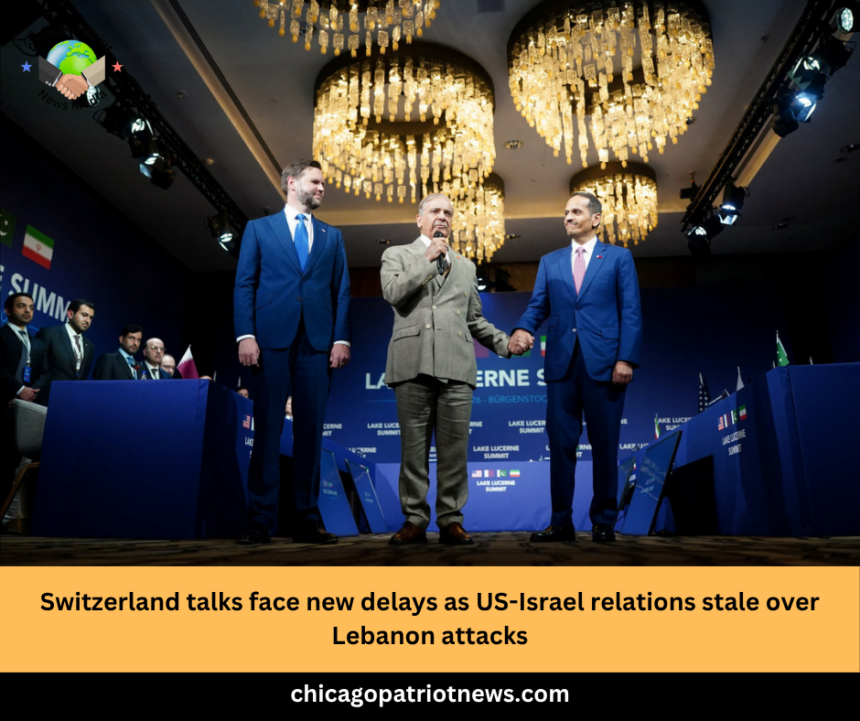
The uncertainty has disrupted international diplomacy, with U.S. Vice President J.D. Vance reportedly adjusting travel plans before confirming participation in upcoming Switzerland talks. These discussions are expected to address maritime security and wider regional stability.
Iran has warned that continued violence in Lebanon could derail any potential agreement with Washington. Meanwhile, emerging reports suggest Pakistan is playing a quiet but active role in facilitating dialogue.