

Chicago – July 17, 2026
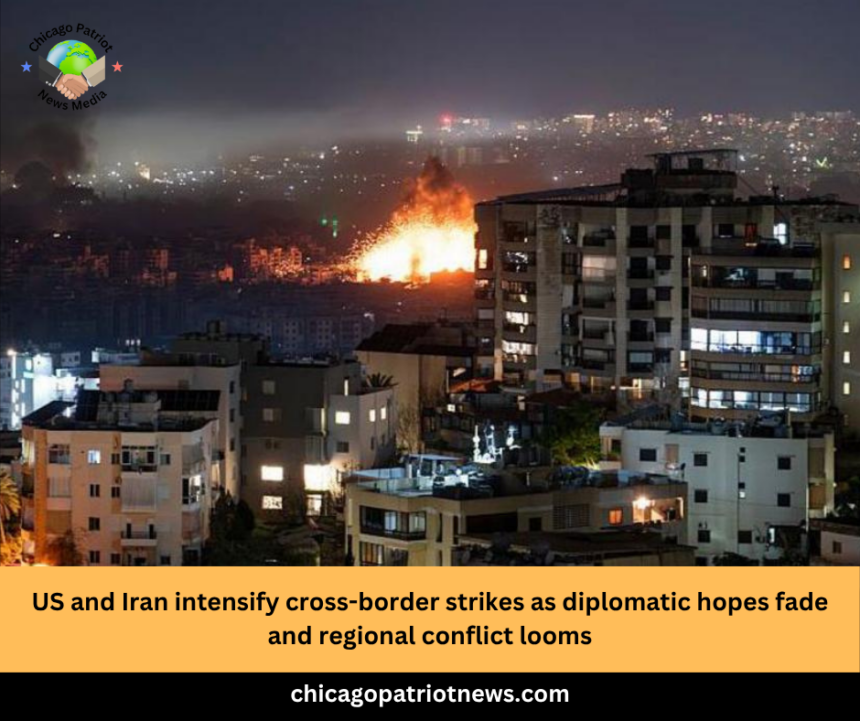
Tensions between Iran and the United States have intensified in recent days, with both sides expanding military operations and showing little sign of de-escalation. The latest flare-up centers on the Strait of Hormuz, where US forces have significantly increased attacks on Iranian military and civilian targets, prompting fears of a broader regional conflict.
Iran has retaliated with strikes of its own, leading to disruptions in oil shipments and a notable drop in ship traffic through the strategic waterway. Global oil prices have climbed in response, raising concerns about economic fallout and fuel shortages in affected regions.
Despite the escalation, the White House has stated that President Donald Trump remains open to diplomacy, though immediate negotiations appear unlikely.
International mediators, including Pakistan and China, have urged both nations to return to dialogue and honor previously signed agreements aimed at preventing conflict.
However, with attacks continuing and diplomatic overtures stalled, the prospect of a lasting ceasefire remains uncertain. Analysts warn that unless both sides exercise restraint, the situation could spiral into a wider war with serious implications for Middle East stability and global energy markets.