
Chicago – July 12, 2026
The fragile Gulf standoff risks rekindling full-scale conflict as diplomatic channels and economic pressure collide with hardened military postures.
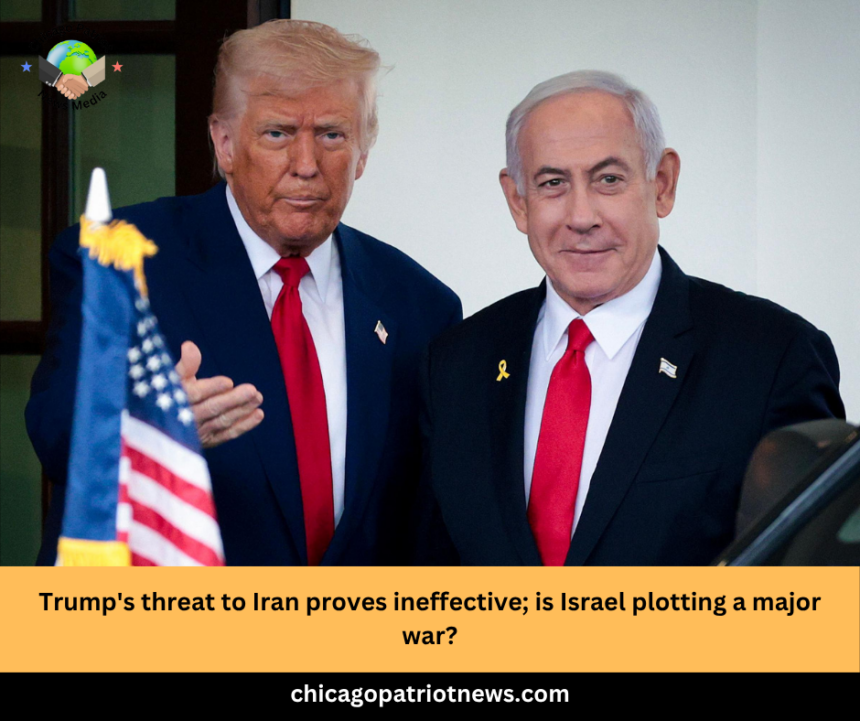
Tensions have surged after public threats and mixed signals from Washington were met by firm refusals and hawkish rhetoric in Tehran, complicating mediation efforts by regional actors and leaving the Strait of Hormuz a central flashpoint. Iran’s limited strikes on Gulf-linked targets and retaliatory threats toward Israel have so far avoided broad escalation, but statements from both sides and new U.S. sanctions targeting Iran’s alternative financial networks have intensified the standoff.
Mediators from Qatar and Pakistan are reported to be conveying messages between Tehran and Washington, while Iran’s foreign officials have engaged with Oman to discuss maritime arrangements—moves that could determine whether commercial shipping resumes safely through nearby waterways. U.S. proposals to use frozen Iranian assets to compensate shipping losses and demands for sanctions relief complicate any bargain, since Tehran insists on asset release as a precondition for concessions.
Compounding the risk, credible reporting indicates Iran is repairing nuclear-related facilities and debating policy changes that could accelerate enrichment, a development that would dramatically raise regional stakes and reduce diplomatic maneuvering room.
With military postures on both sides remaining resolute and Israel reportedly prepared to act if given a green light, the coming days will be decisive for whether negotiations can avert broader war or whether localized strikes escalate into a wider regional conflict.