
Chicago Monday, May 26, 2025
Tension Between Locals and Scientists in Bitterroot Valley
In the conservative, blue-collar town of Hamilton, Montana, home to around 5,000 residents, many scientists at Rocky Mountain Laboratories make a point of removing their work badges before leaving campus. This habit reflects a long-standing tension between the town’s logging roots and the presence of a high-profile National Institutes of Health (NIH) biomedical research facility. While Rocky Mountain Labs has significantly boosted the local economy and earned international recognition, it has also sparked mixed feelings. Some locals appreciate the economic and scientific contributions, but others view the scientists as elitist or fear the potential risks from the contagious pathogens studied at the facility. The COVID-19 pandemic further deepened these divides, especially after Republican Congressman Matt Rosendale falsely linked the lab to the virus’s origin in an attempt to eliminate its funding.
Federal Cuts Spark Protests in Hamilton
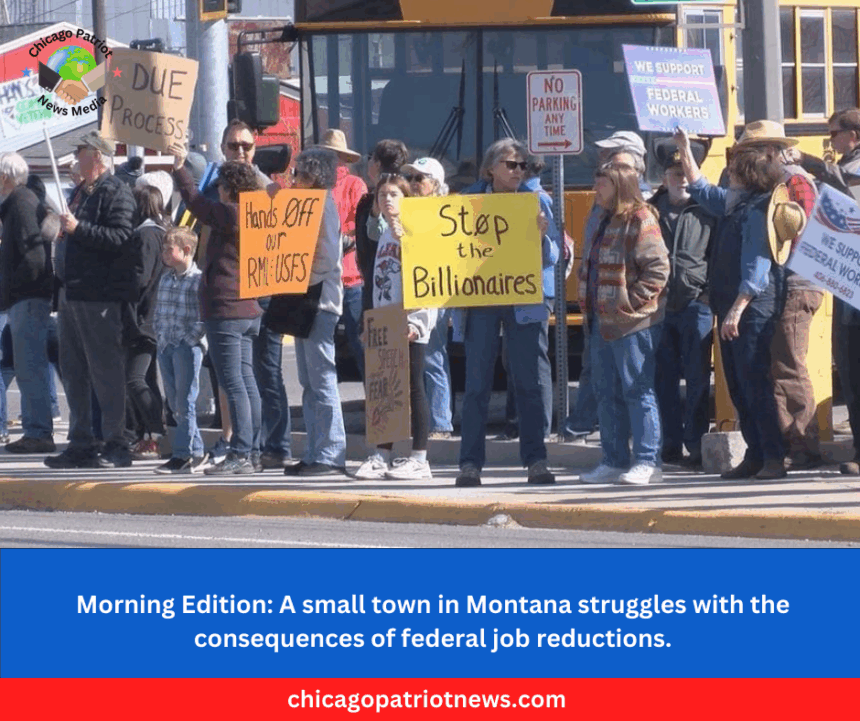
Hamilton has become a vivid example of how federal workforce reductions and the cancellation of research grants under the Trump administration are affecting towns far from the nation’s capital. In April, hundreds gathered in the town’s normally quiet downtown for a protest, holding signs like “Hands Off Federal Workers” and “STOP STRANGLING SCIENCE.” While some passersby honked and cheered in support, others responded with insults or mockery, including chants of “DOGE”, a reference to the Department of Government Efficiency initiative led by Elon Musk, which has driven major layoffs and funding cuts. Among the demonstrators was Kim Hasenkrug, a longtime Rocky Mountain Labs researcher who retired in 2022. He criticized President Trump’s pledge to let Health and Human Services Secretary Robert F. Kennedy Jr. “go wild” on health policy.