

Chicago Tuesday, May 6, 2025
US Explores $5,000 Baby Bonus to Boost Declining Birth Rates
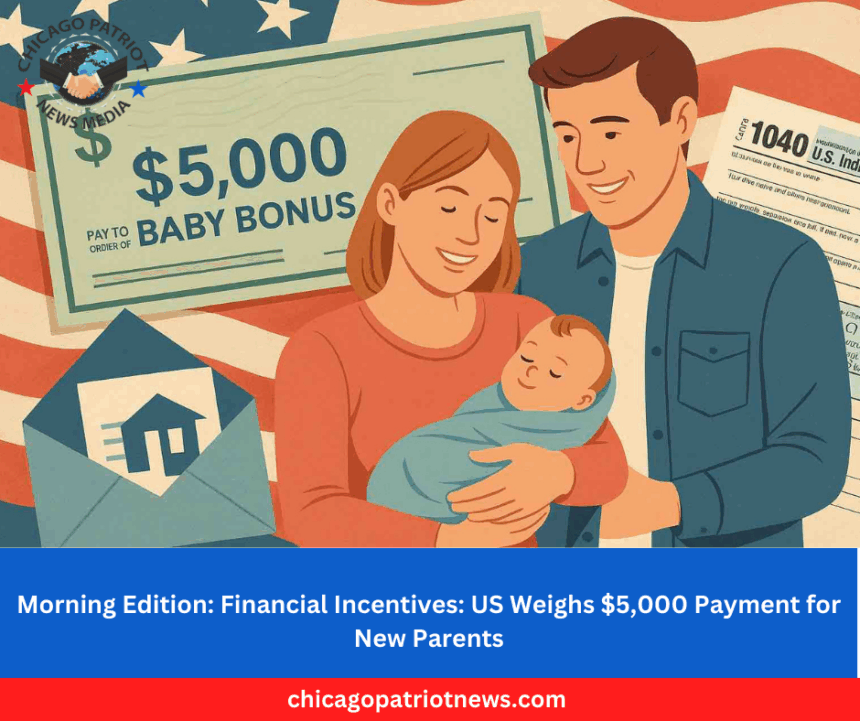
The US government is considering a $5,000 “baby bonus” to encourage families to have more children. This proposal aims to address the country’s declining birth rates, which could impact the economy in the long run. The idea is inspired by similar policies in other countries that have tried to boost birth rates with financial incentives.
Experts Weigh In
However, experts are skeptical about the effectiveness of a one-time payment. They argue that deeper economic and social factors influence family planning decisions. Countries that have implemented similar incentives often see only short-term increases in birth rates.
Alternative Solutions
Fareed Zakaria explored global efforts to increase birth rates, highlighting strategies beyond financial bonuses. Some countries provide affordable childcare, extended parental leave, and housing benefits to support families. In contrast, the US remains one of the few developed countries without guaranteed paid parental leave.
A More Effective Approach?
Experts suggest that paid parental leave could be a more effective solution than a lump-sum payment. This approach would provide ongoing support to families, helping them balance work and family responsibilities.
Debate Continues
The proposal has sparked debate about the best way to address declining birth rates and support American families. As the discussion continues, policymakers will need to consider the potential impact of financial incentives and other support measures on family planning decisions.
Conclusion
The $5,000 baby bonus proposal is just one potential solution to address declining birth rates. As the US explores ways to support families, it’s essential to consider a range of approaches, including paid parental leave and other benefits that promote a supportive environment for families.