

Chicago – December 16, 2025
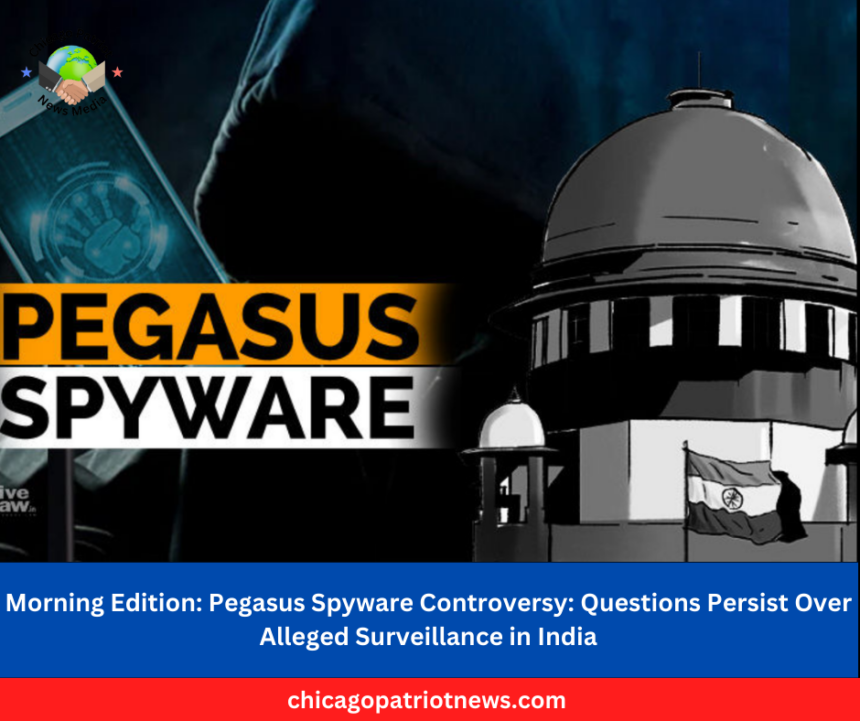
The Pegasus spyware controversy continues to raise serious questions about surveillance, privacy, and government accountability in India, even years after the issue first surfaced.
In 2021, an international consortium of media organisations reported that Pegasus — a military-grade spyware developed by Israel’s NSO Group — was allegedly used to target the mobile phones of Indian journalists, opposition politicians, activists, lawyers, and civil society members. Pegasus is marketed exclusively to governments and is capable of covertly accessing messages, calls, cameras, and microphones on infected devices.
Among those reportedly listed as potential targets were opposition leaders, election strategists, journalists investigating government policies, and human rights defenders. The reports triggered widespread political uproar and demands for clarification from the central government.
Government Response
The Indian government did not confirm or deny whether it had procured or deployed Pegasus, citing national security concerns. It rejected allegations of unlawful surveillance and maintained that all interception activities in India are conducted under legal frameworks.
However, the lack of a categorical denial led to intensified scrutiny from opposition parties and civil liberties groups.