

Chicago – March 15, 2026
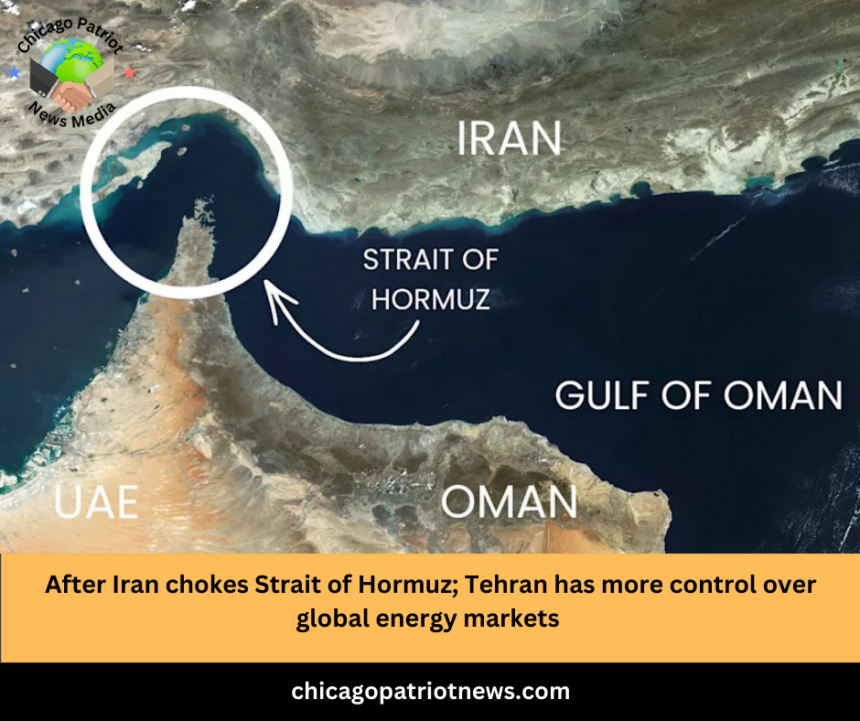
Analysts warn that Iran now wields unprecedented control over global energy flows, with its forces effectively choking the Strait of Hormuz—the vital artery for 20% of the world’s seaborne oil and a quarter of LNG exports. Missile and drone strikes have halted shipments from Saudi Arabia, UAE, Iraq, Kuwait, and Qatar, slashing daily oil output by up to 10 million barrels and spiking Brent crude above $100 per barrel.
Saudi Aramco’s CEO Amin Nasser cautioned of “catastrophic consequences” for the global economy, as the firm warned buyers it cannot guarantee April cargo loading ports amid the chaos.
Attacks damaged refineries like Ras Tanura and terminals across the Gulf, while 16+ vessels, including a Thai-flagged ship, were targeted near Oman. Qatar declared force majeure on LNG exports after drone hits, delaying restoration by at least a month.
Even post-ceasefire, insurers and executives demand proof Iran has ceased hostilities before resuming operations. The IEA released 400 million barrels from reserves to ease prices, but experts say only Tehran’s de-escalation can avert prolonged shortages. Oil could hit $200 if disruptions persist, reshaping energy security worldwide.