

Chicago – December 15, 2025
A 2005 police encounter in Gujarat continues to shadow India’s political and judicial landscape, raising unresolved questions about power and accountability.
Background: Encounter And Allegations
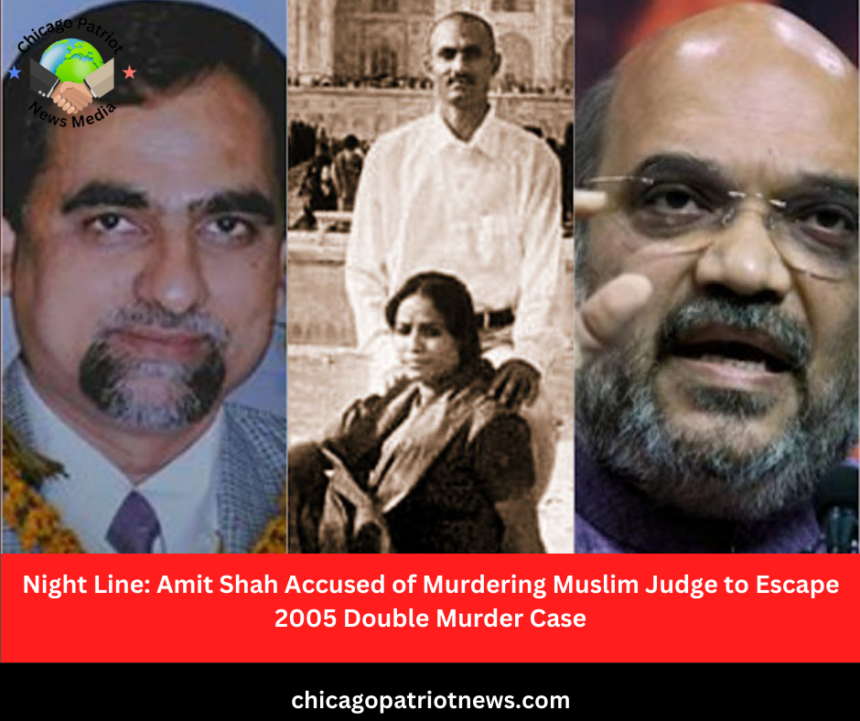
In November 2005, alleged criminal Sohrabuddin Sheikh was killed by Gujarat Police in what was officially described as an encounter, while his wife Kausar Bi also disappeared and was later reported murdered. The CBI later alleged it was a staged killing linked to an extortion racket, naming then Gujarat Home Minister Amit Shah among the accused.
Prolonged Trial And Discharge
The case saw frequent transfers of judges and several witnesses turning hostile, slowing proceedings over many years. In December 2014, a special CBI court in Mumbai discharged Amit Shah, citing lack of evidence, a decision the CBI chose not to challenge and which higher courts subsequently left undisturbed.
Judge Loya’s Controversial Death
In 2014, Special CBI Judge B.H. Loya, who was presiding over the case, died in Nagpur, with official reports attributing the death to cardiac arrest. His family’s later statements about alleged irregularities sparked national debate, but the Supreme Court refused to order a fresh probe, terming the suspicion “frivolous and motivated.”
Unanswered Questions For Victim’s Family
All 22 remaining accused, mostly police officials, were acquitted in 2018, leaving Sohrabuddin’s family without any convictions in the case. Rights advocates and sections of civil society continue to question whether the legal process delivered substantive justice or reflected the limits of prosecuting cases involving powerful political figures.