

Chicago – September 13, 2026
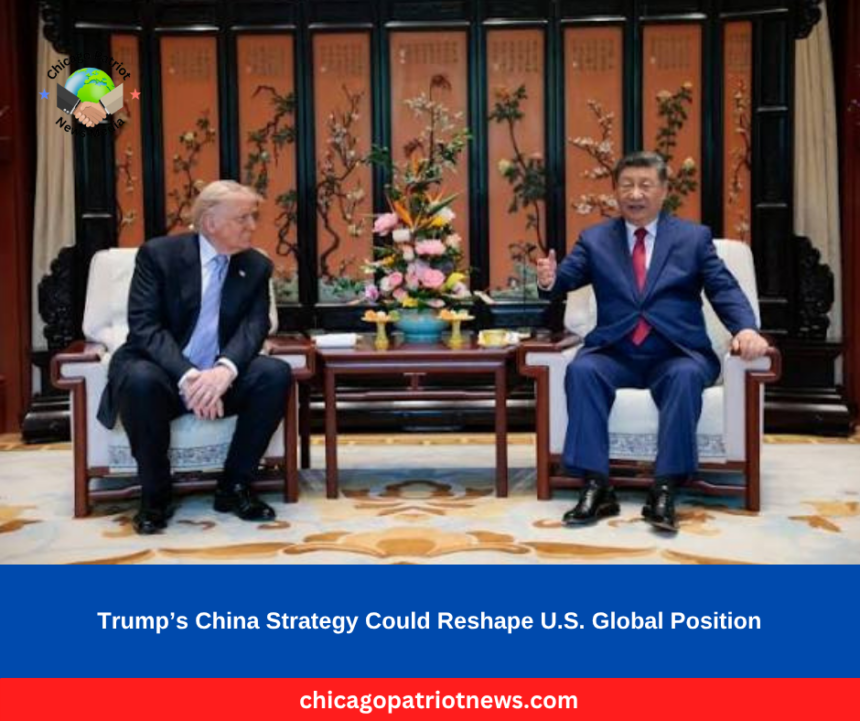
Donald Trump’s presidency is reshaping the United States’ approach to China, with tariffs, trade restrictions and economic pressure becoming key elements of Washington’s strategy toward the world’s second-largest economy.
The administration has sought to reduce U.S. dependence on Chinese goods while addressing long-standing concerns over trade imbalances, technology and supply-chain security. Supporters argue that tougher economic measures could strengthen America’s negotiating position, while critics warn that tariffs can increase costs for U.S. businesses and consumers.
Despite growing strategic competition, the two countries remain deeply connected through global trade, investment and supply chains. Complete economic separation would therefore be difficult and potentially disruptive.
The broader challenge for Washington is balancing competition with cooperation. U.S. influence also depends on alliances, technological leadership and international partnerships.
How the administration manages its relationship with Beijing could have significant consequences for global trade, security and America’s position in the international system.