

Chicago – October 05, 2025
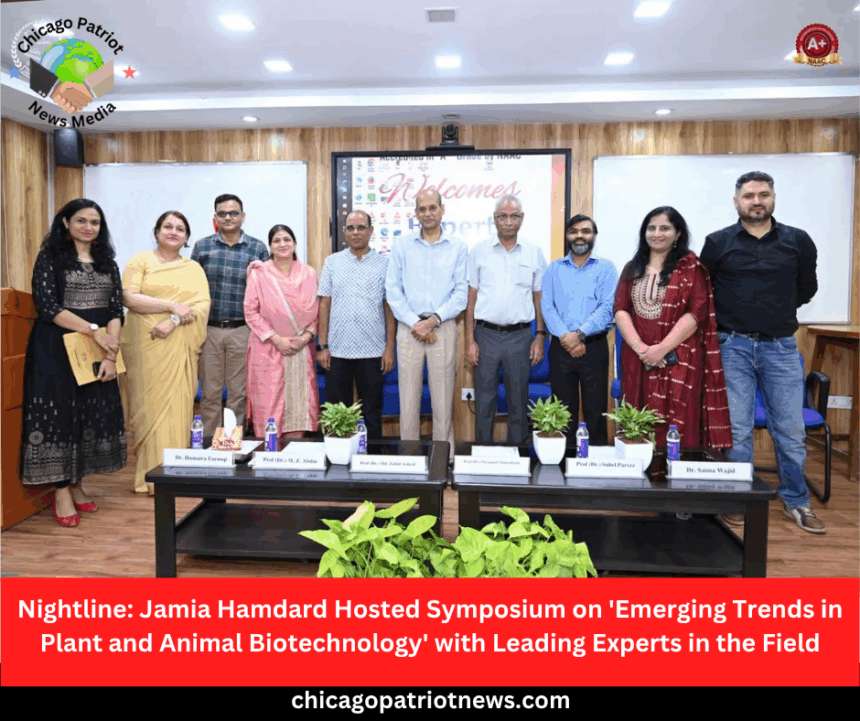
The Department of Biotechnology at the School of Chemical & Life Sciences, Jamia Hamdard, hosted a one-day symposium titled “Emerging Trends in Plant and Animal Biotechnology” on September 25, 2025, at the Conference Hall, SCLS. The event offered a valuable platform for scientists, researchers, faculty, and students to share knowledge and explore the latest advancements in biotechnology.
The symposium was held under the leadership of Janab Hammad Ahmed, Chancellor of Jamia Hamdard, and Prof. (Dr.) M. Afshar Alam, Vice Chancellor of Jamia Hamdard. Prof. (Dr.) Suhel Parvez, Dean of SCLS, and Prof. (Dr.) M.Z. Abdin chaired the event, with Prof. Abdin’s leadership being a continual inspiration for young researchers. Dr. Humaira Farooqi, Head of the Department of Biotechnology, served as the Organizing Secretary, while Dr. Saima Wajid, Associate Professor, Department of Biotechnology, was the Joint Organizing Secretary. Dr. Monica Saifi and Dr. Javed Ahmad were responsible for convening the event.
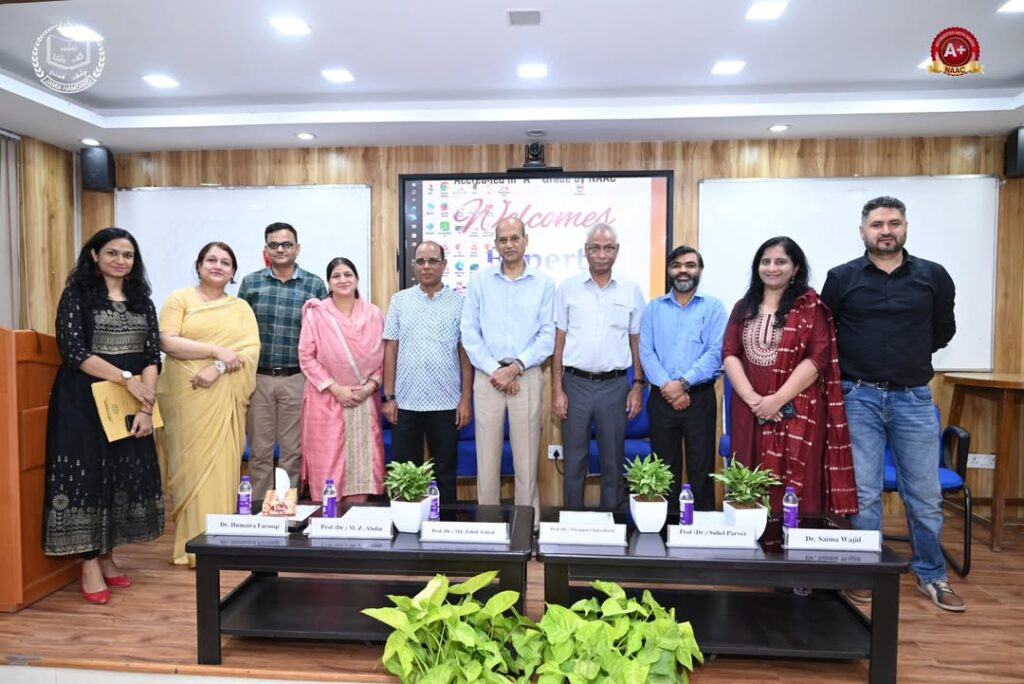
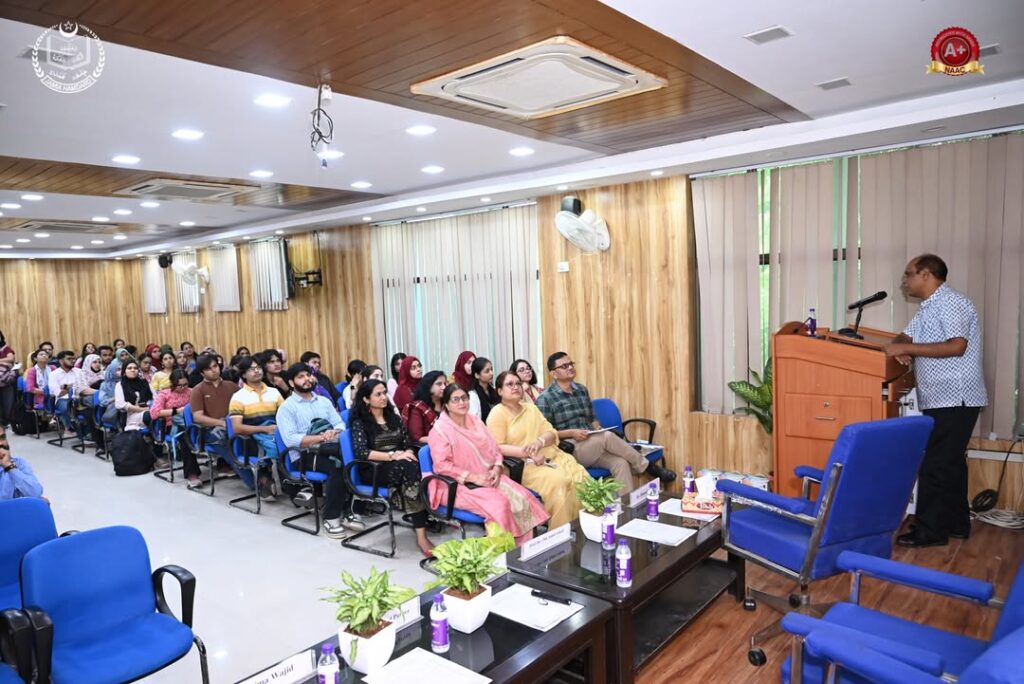
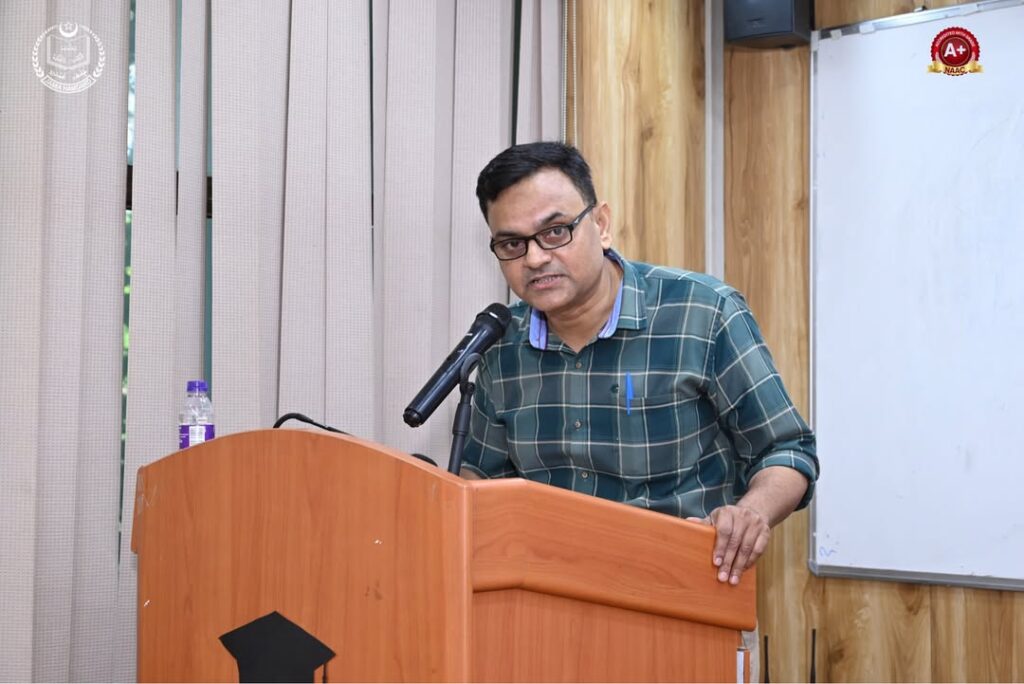
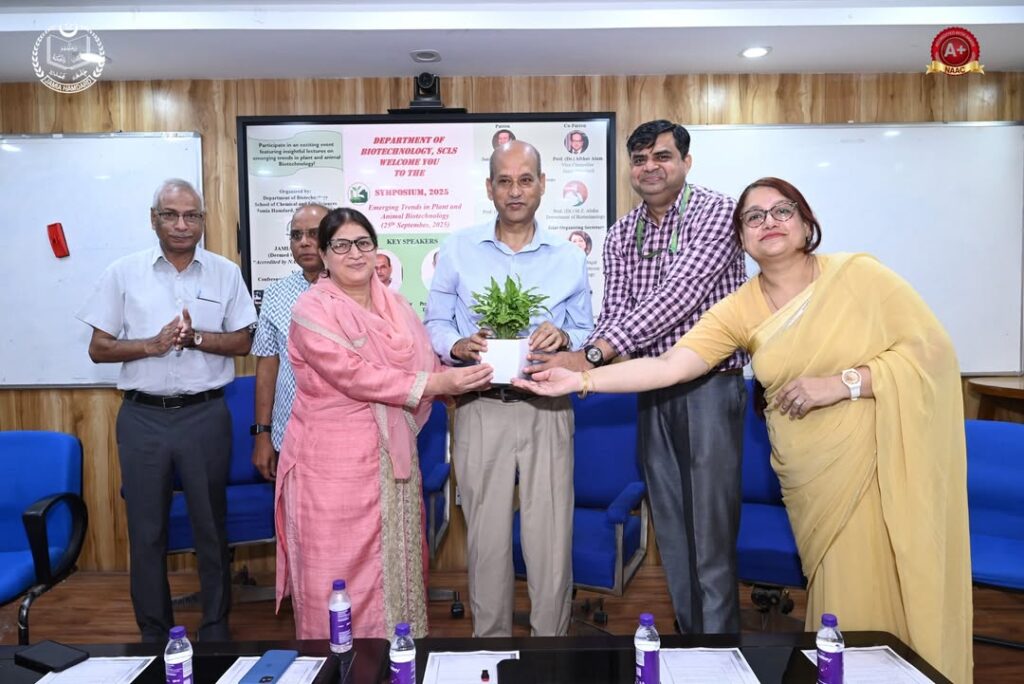
A major highlight of the symposium was the presence of renowned experts in their fields. Prof. Niranjan Chakraborty, Professor of Eminence at the National Institute of Plant Genome Research (NIPGR) in New Delhi, delivered a compelling lecture on “Mitochondria: The Cellular Motherboard Empowering Stress Adaptation and Resilience.” Prof. Chakraborty, an elected fellow of INSA, NASI, and NAAS, shared his pioneering research on stress-responsive mitochondrial proteomes in rice. His work, which identifies proteins crucial for redox balance, stress adaptation, and resilience, offers exciting possibilities for developing climate-resilient crops.
Prof. Mohammad Zahid Ashraf, Dean of the Faculty of Life Sciences at Jamia Millia Islamia, also captivated the audience with his lecture on “Mini Molecules, Mighty Impact: microRNAs as Diagnostic and Therapeutic Tools.” Prof. Ashraf, a recipient of the prestigious Visitor (President) Award from the President of India, is internationally acclaimed for his research on thrombosis at high altitudes. His presentation focused on the role of microRNA-145 in regulating thrombus formation, highlighting its potential as both a diagnostic biomarker and therapeutic target, offering new avenues in cardiovascular research.
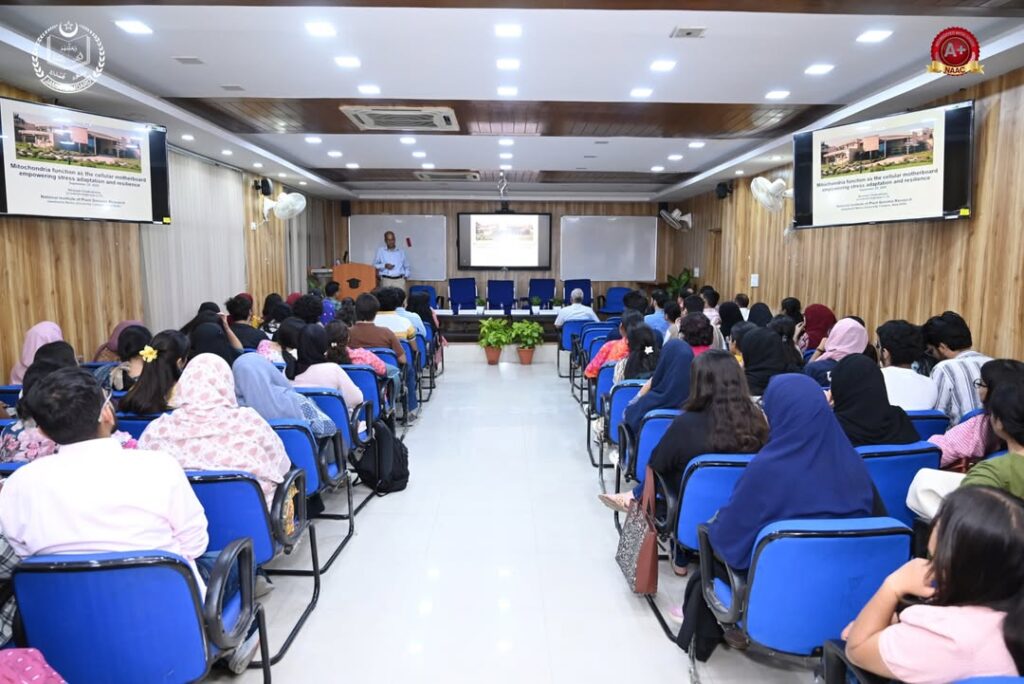
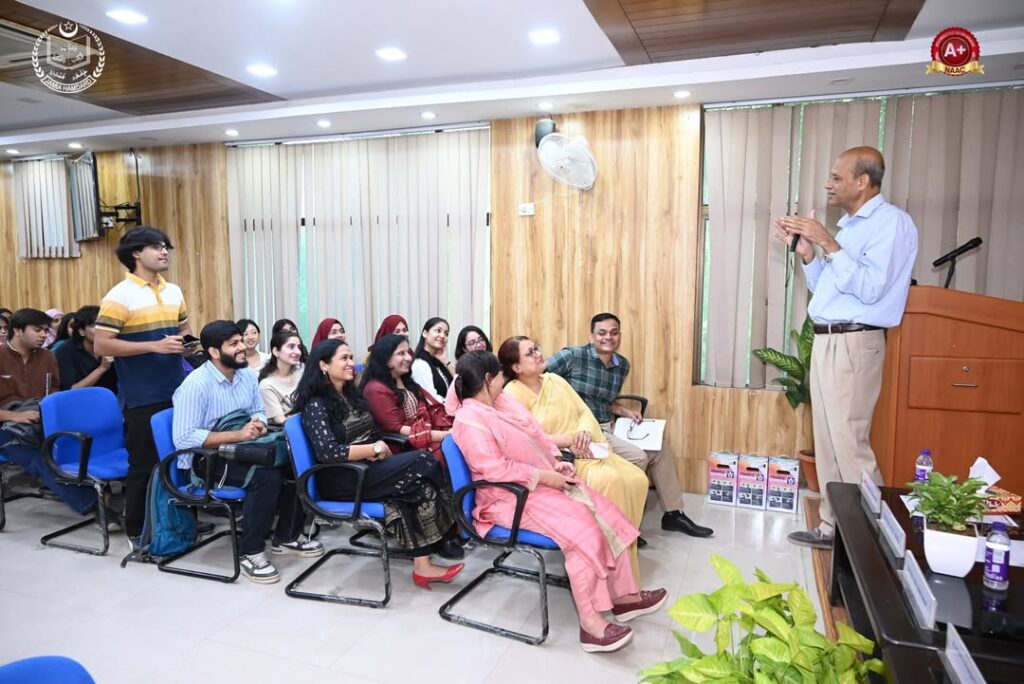
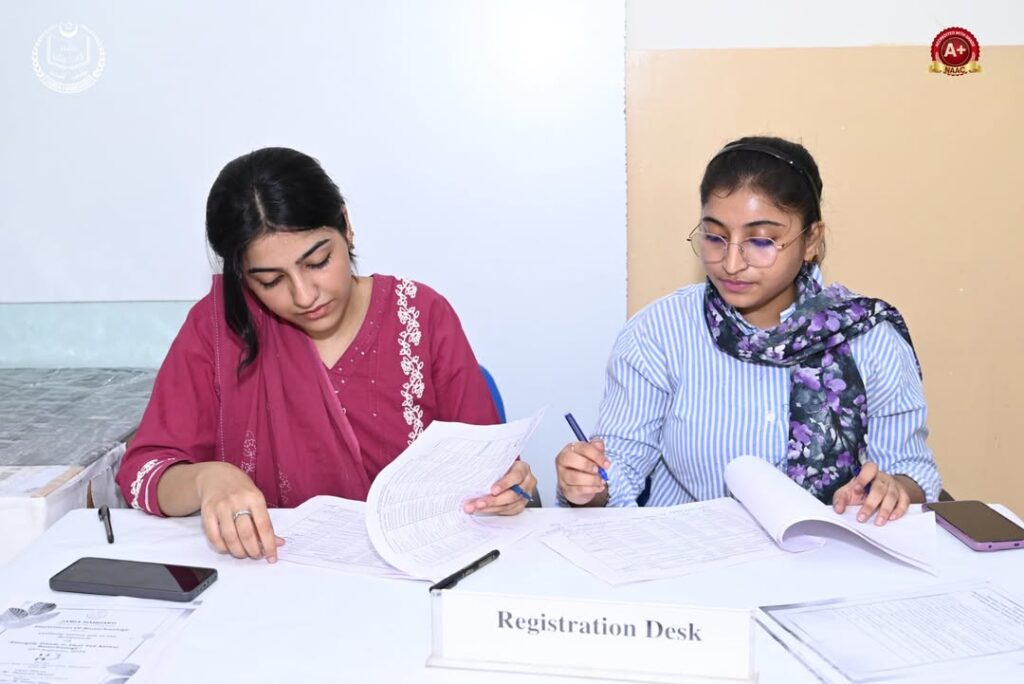
The symposium saw enthusiastic participation from over 120 students, research scholars, and faculty members, who actively engaged with the speakers during their sessions. The discussions were both insightful and interactive, demonstrating the participants’ strong interest in the latest breakthroughs. Topics covered included genomics, proteomics, genome editing, and microRNA research, with a particular focus on cardiovascular health.
The Department of Biotechnology expresses its heartfelt thanks to the distinguished speakers, engaged participants, and the dedicated organizing team, all of whose efforts made the symposium a resounding success.