

Chicago – February 15, 2026
Jeffrey Epstein built relationships with presidents, royalty and billionaires by projecting wealth, exclusivity and influence — a strategy that allowed him to operate for years before his 2019 arrest on federal sex-trafficking charges.
Epstein cultivated an image as a mysterious financier serving ultra-rich clients. With luxury properties in New York City, Florida and abroad, and access to private jets and elite gatherings, he signaled legitimacy in circles where visible wealth often substitutes for scrutiny.
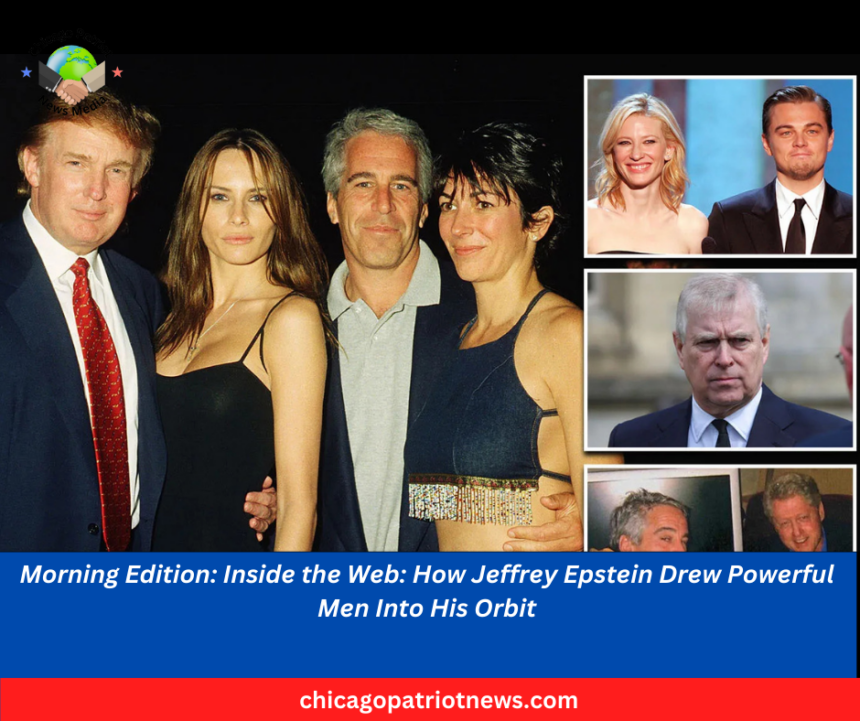
He methodically pursued high-profile connections, including former U.S. President Bill Clinton and Britain’s Prince Andrew. By hosting private dinners and presenting himself as a patron of science and academia, he positioned himself as a valuable connector among influential figures.
Prosecutors later alleged that Epstein ran a long-term scheme exploiting underage girls, using secrecy and social leverage to protect himself. Many associates have said they were unaware of his crimes, and association alone does not imply wrongdoing.
Epstein’s 2008 plea deal in Florida and his death in custody in 2019 intensified scrutiny of how wealth and power can shield misconduct from accountability.