
Chicago – June 22, 2026
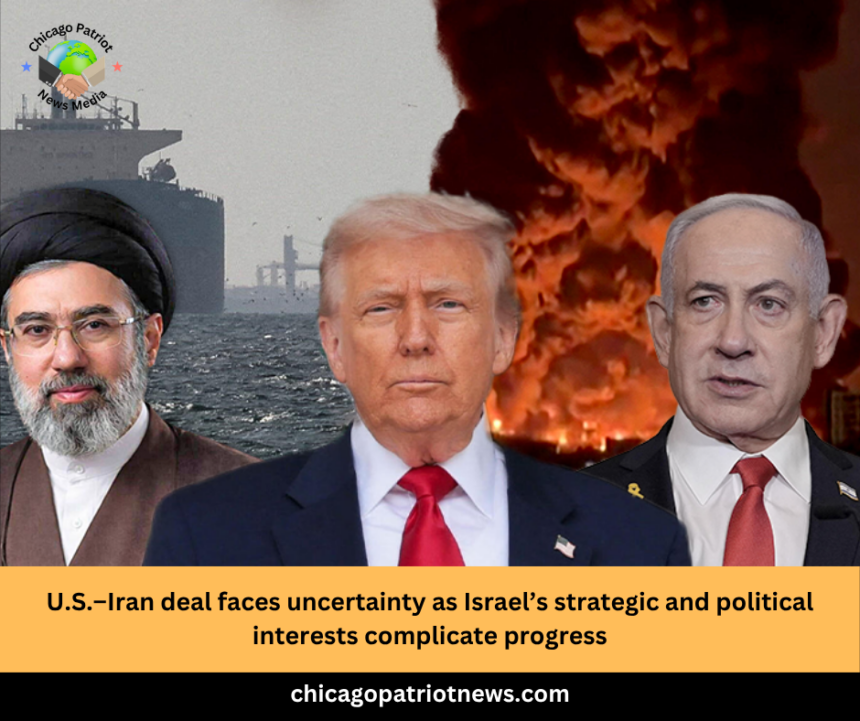
A complex geopolitical dynamic is unfolding around a potential U.S.–Iran deal, with regional and domestic political pressures shaping its uncertain future. Iran stands at a crossroads, weighing economic relief and reintegration into global markets against strategic concessions. For the United States, reviving or securing a deal could help stabilize the region, limit nuclear risks, and restore diplomatic credibility after withdrawing from the 2015 JCPOA agreement.
However, Israel is widely seen as a critical obstacle. Prime Minister Benjamin Netanyahu, who has spent decades lobbying against Iran’s nuclear ambitions, faces strong domestic incentives ahead of upcoming elections.
His government has increasingly emphasized a broader regional strategy, often described by analysts as aligned with the concept of “Greater Israel.” Recent military gains in Lebanon and expanded operational reach into Syria and Iraq are being framed as historic achievements.
Endorsing a U.S.–Iran deal could undermine Netanyahu’s political narrative, which centers on security expansion and strategic dominance. As a result, Israel’s position may significantly influence whether diplomatic efforts succeed or collapse, making the path forward highly uncertain.