

Chicago – July 29, 2026
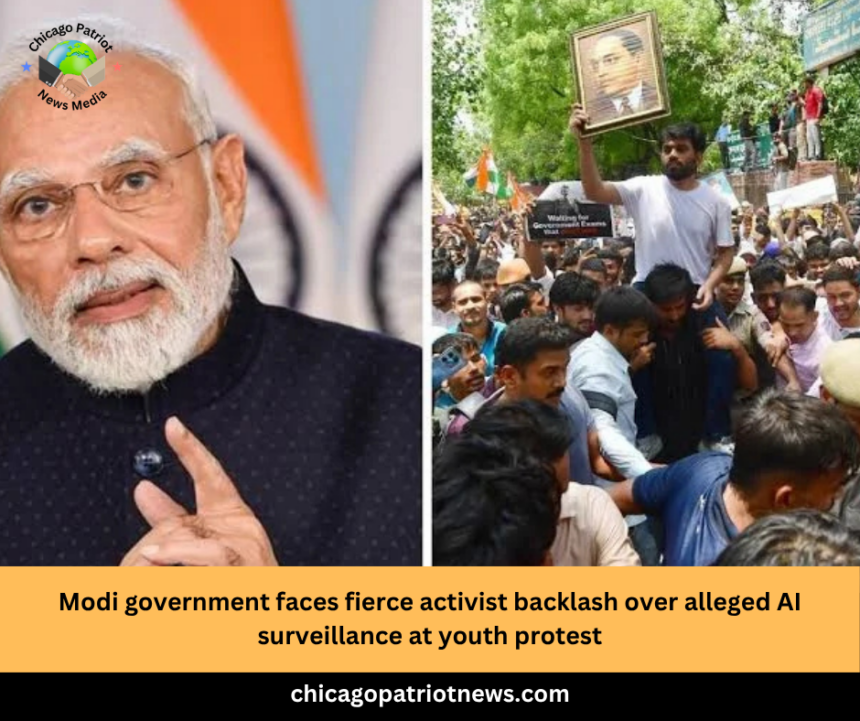
Indian activists are challenging Prime Minister Narendra Modi’s government over the use of AI-powered surveillance during a major youth protest in New Delhi. The dispute centers on allegations that police deployed facial recognition tools and collected protesters’ social media information, raising concerns about privacy and civil liberties.
Legal Challenge
Student activist Aishe Ghosh has asked the Delhi High Court to declare the mass surveillance of protesters unconstitutional. She is also seeking the destruction of personal data gathered during the protest and the creation of clear guidelines on how surveillance technology can be used by authorities.
Wider Impact
The case is especially significant because India does not have a specific law regulating police use of facial recognition technology. Activists argue that this legal gap makes the surveillance at the protest site particularly concerning.
Political Significance
The case could become an important test of government power, digital privacy, and the limits of protest monitoring in India. The controversy continues even after the protest itself ended, suggesting the legal and political debate is far from over.