

Chicago – September 10, 2026
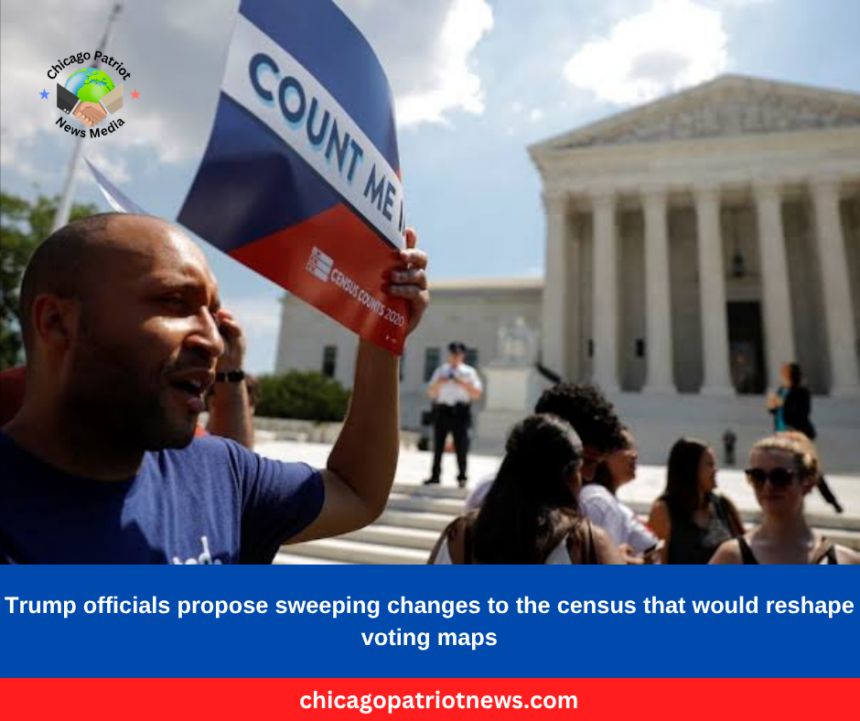
Trump administration officials are proposing sweeping changes to how the U.S. Census is conducted, a move that could have significant consequences for political representation and the distribution of federal resources.
The proposals include reconsidering how certain populations are counted and potentially changing the way citizenship information is collected or used in connection with the census. Supporters argue that the changes could improve the accuracy of population data and provide policymakers with more detailed information.
Critics, however, warn that altering established census practices could undermine public trust and discourage some communities from participating. They also say changes to the population count could affect how congressional seats and Electoral College votes are allocated among states.
The U.S. Constitution requires a census every 10 years, with the results used to determine representation in Congress and guide the allocation of federal funding. Any major changes would likely face legal and political challenges before being implemented.