

Chicago – July 30, 2026
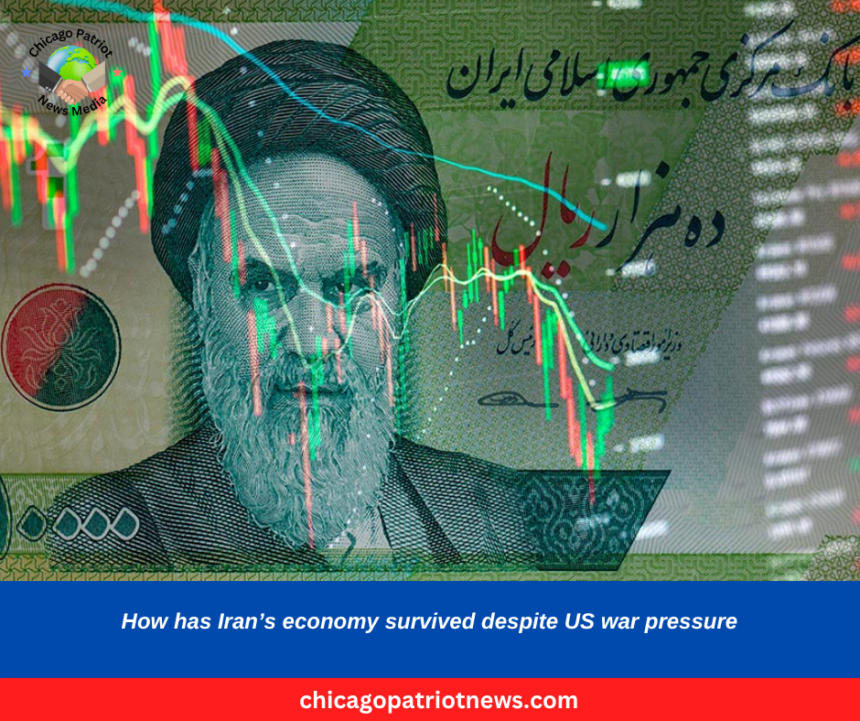
Iran’s economy has faced decades of U.S. sanctions, financial restrictions, and periods of heightened regional conflict, yet it has continued to function through a combination of adaptation and strategic partnerships. Despite severe limits on oil exports and access to global banking systems, Tehran has maintained revenue by expanding trade with countries such as China and strengthening economic ties with neighboring states.
The government has also promoted domestic manufacturing to reduce reliance on imports, while encouraging non-oil industries including agriculture, mining, and petrochemicals. Informal trade networks and alternative payment mechanisms have helped businesses continue operating despite restrictions on international financial transactions.
However, the economy continues to struggle with high inflation, currency depreciation, unemployment, and declining purchasing power. Many Iranian households face rising living costs and reduced economic opportunities.
Analysts say Iran’s ability to withstand external pressure reflects economic resilience, but long-term growth will likely depend on improved international relations, greater foreign investment, and structural economic reforms that address persistent domestic challenges.