

Chicago – June 10, 2026
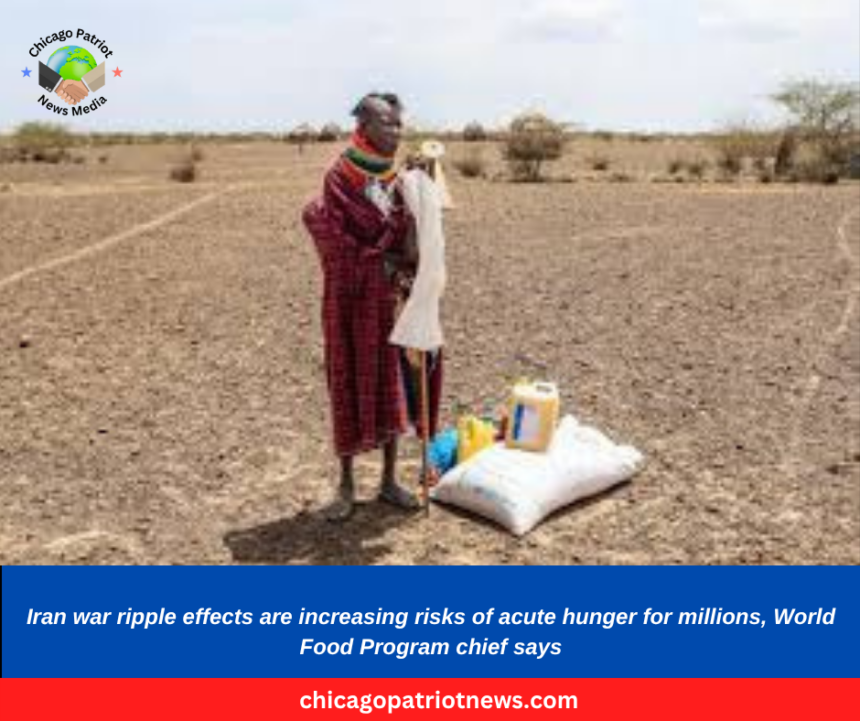
The ripple effects of the conflict involving Iran are increasing the risk of acute hunger for millions of people worldwide, according to the United Nations’ World Food Programme. The agency says rising food, fuel, and shipping costs linked to the conflict are worsening food insecurity in some of the world’s most vulnerable countries.
Acting WFP Executive Director Carl Skau said earlier warnings about the conflict’s impact on global food supplies are now becoming reality. The agency estimates that up to 45 million additional people could face acute food insecurity if disruptions persist, potentially pushing the global total to record levels.
According to the WFP, the crisis has disrupted trade routes and increased transportation costs, driving up food prices in countries already struggling with poverty and instability. New assessments found that an additional 2.5 million people in Somalia, 2.3 million in Afghanistan, and 1.3 million in Sri Lanka are having difficulty meeting basic food needs.
The agency noted that higher energy prices are closely tied to food costs, particularly in low-income nations where households already spend a large share of their income on food. Humanitarian operations have also been affected by shipping delays, increased fuel costs, and funding shortages.
WFP officials warned that the effects could continue even if tensions in the Middle East ease, urging governments and donors to increase support for countries facing severe food insecurity. The agency highlighted ongoing concerns in regions including Sudan, Gaza, Yemen, and Haiti, where humanitarian needs remain critical.