
Chicago – May 10, 2026
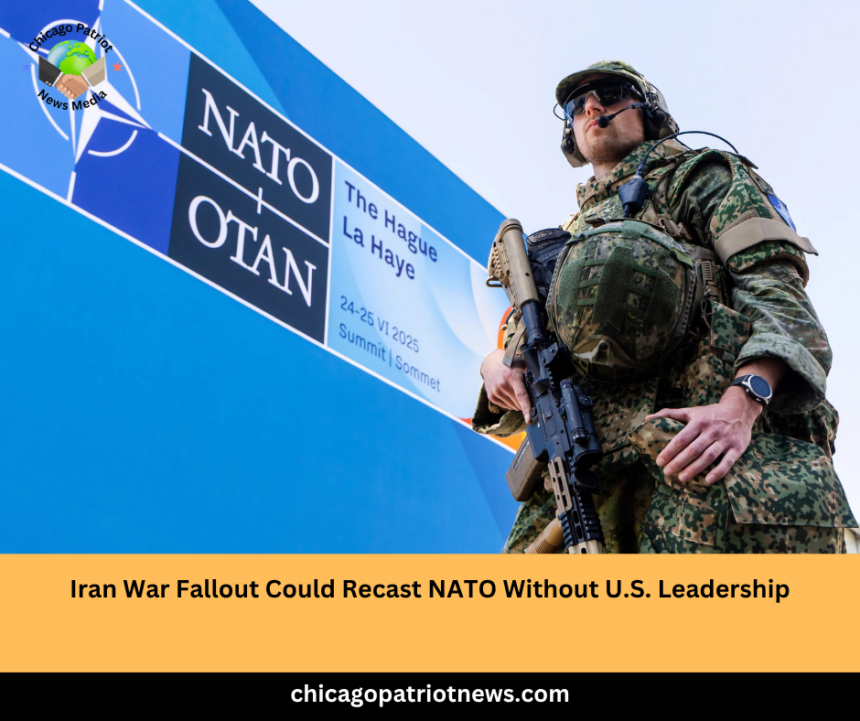
The Iran war is accelerating a shift inside NATO, where European leaders are increasingly preparing for an alliance that is less dependent on Washington. The change follows President Trump’s decision to launch strikes on Iran without first consulting key allies, deepening mistrust across the transatlantic bloc.
NPR reports that Spain has blocked U.S. access to its bases, while Britain and Germany have resisted joining U.S. efforts to blockade ports linked to the conflict. The Pentagon also announced the withdrawal of 5,000 U.S. troops from Germany, a move that has sharpened concern about America’s long-term role in Europe.
European governments are responding by talking more openly about self-reliance. Germany has pledged to expand its troop levels, and NATO officials are discussing a future in which Europe and Canada take on a larger share of defense responsibility.
Analysts warn the transition could take years because Europe still lacks key U.S. capabilities, including heavy transport aircraft, bombers, cruise missiles, and major naval power. That gap, they say, could leave the alliance exposed if Russia or another adversary tests Europe before the shift is complete.